How to Start a Tire Reselling Business: Wholesale & Container Buying Guide (2026)
Starting a tire reselling business in 2026 can be highly profitable if structured correctly. With steady demand from passenger vehicles, commercial fleets, logistics companies, and construction transport, tire replacement is a recurring necessity across every region.
The key to building a successful tire resale operation is understanding wholesale sourcing, container purchasing, profit margins, and supply chain control. This guide explains how to start, scale, and source brand tires directly from export factories in Thailand for maximum profitability.
Why the Tire Business Is a Strong Opportunity
The global transportation industry continues to grow. Every vehicle on the road — from compact cars to heavy-duty semi-trucks — requires tire replacement.
Key advantages of entering the tire business include:
- Recurring demand
- High resale margins when sourced correctly
- Large commercial fleet market
- Scalable inventory model
- International sourcing options
Because tires are consumable products, repeat customers form the foundation of long-term profitability.
Step 1: Choose Your Business Model
There are several tire resale models to consider:
- Retail tire shop
- Wholesale distributor
- Fleet-focused supplier
- Online tire reseller
- Import/export container distributor
Many successful businesses combine retail and wholesale distribution for diversified revenue.
Step 2: Understand Wholesale Tire Sourcing
Your sourcing strategy directly determines profitability.
Common sourcing options:
- Local distributors (higher cost, lower volume)
- National wholesalers
- Factory-direct container purchasing
Factory-direct sourcing removes multiple markup layers and improves long-term pricing stability.
Step 3: Consider Buying by Container
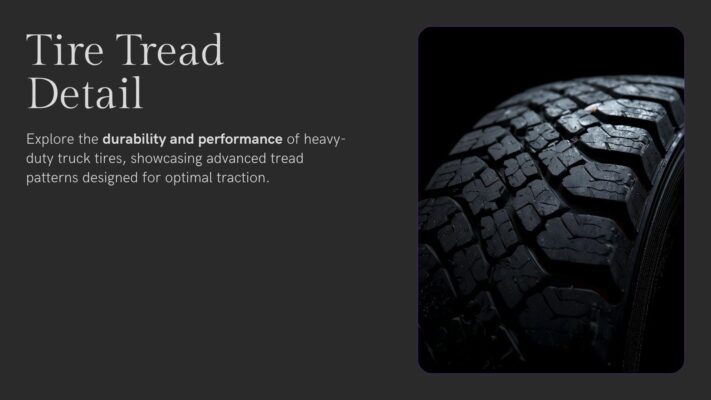
Buying tires by the container is one of the most profitable scaling strategies.
Typical container capacity:
- 20FT container: 800–1,200 passenger tires
- 40FT container: 1,800–2,500 passenger tires
- Commercial truck tire volume varies by size
Container purchasing allows:
- Lower per-unit cost
- Greater negotiation leverage
- Mixed-size inventory customization
- Improved margin control
Step 4: Calculate Landed Cost & Profit Margins
Before importing, calculate your landed cost:
- Factory price
- Ocean freight
- Insurance
- Import duties
- Port and inland transport fees
Successful tire resellers focus on margin per tire rather than invoice price alone.
Step 5: Focus on High-Demand Segments
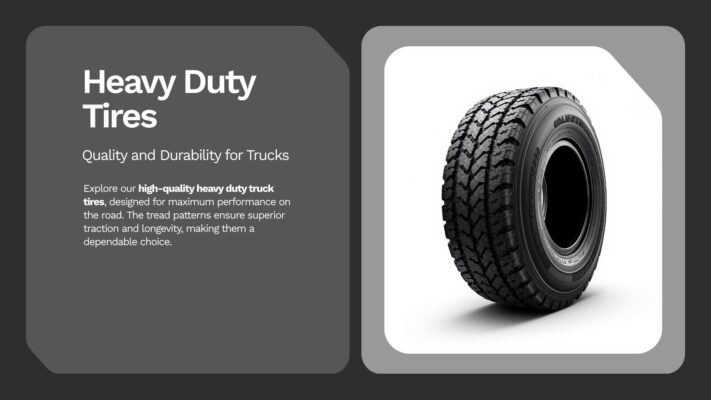
High-demand segments include:
- Passenger all-season tires
- SUV and light truck tires
- Commercial truck tires
- Fleet replacement contracts
Fleet accounts offer stable recurring revenue.
Why Thailand Is a Strategic Sourcing Location
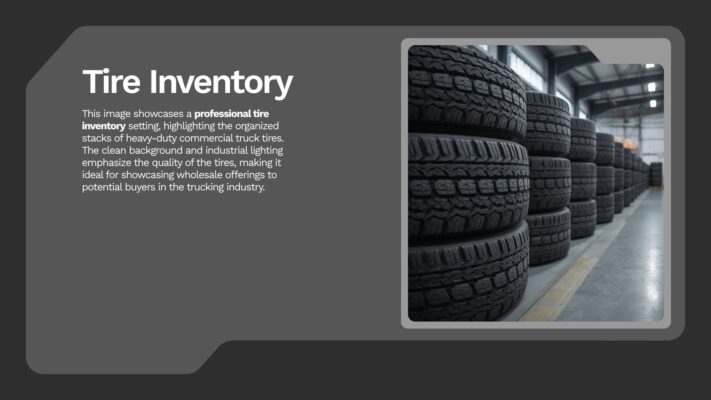
Thailand is one of the world’s largest natural rubber producers and a major exporter of brand tires.
Advantages include:
- Reliable raw material supply
- Competitive manufacturing costs
- Strong export infrastructure
- Scalable factory production
For international buyers in the USA, Canada, and Europe, factory-direct sourcing from Thailand provides stable supply and competitive pricing.
How Much Can a Tire Business Make?
Profit depends on volume and sourcing strategy.
Dealers who buy through local distributors typically see lower margins. Those purchasing container loads factory-direct often achieve significantly higher per-unit profit.
Volume, operational efficiency, and supplier relationships are key success factors.
Is Starting a Tire Business Worth It in 2026?
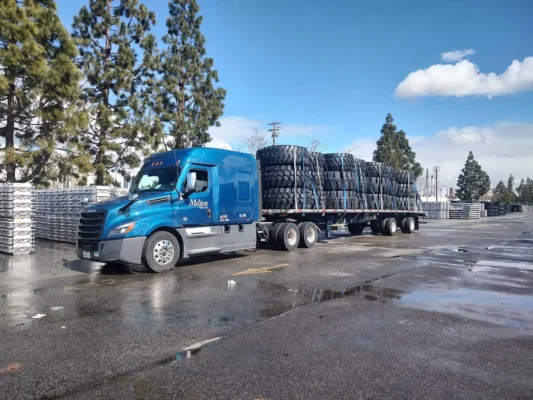
With continued transportation growth and recurring replacement cycles, the tire industry remains one of the most stable automotive sectors.
Entrepreneurs who focus on wholesale sourcing, container efficiency, and fleet relationships can build scalable, long-term businesses.
Request Wholesale Pricing to Start Your Tire Business
If you are planning to start or scale a tire reselling business, sourcing brand tires by container directly from Thailand provides competitive pricing and reliable global shipping.
Contact our export team today to request customized container pricing tailored to your business model and destination port.
Don’t need a full container? Start with a pallet
You don’t have to commit to a whole container to buy wholesale. TireBulk also supplies new tires from a single pallet, with no full-container minimum — so smaller dealers and shops can start small and scale up to factory-direct container pricing as volume grows. See how the options compare in Wholesale Tire Minimum Orders: Pallet vs Full Container, or open a wholesale account for a quote.