New vs Used Tires for Resale: Which Is More Profitable for Dealers in 2026?
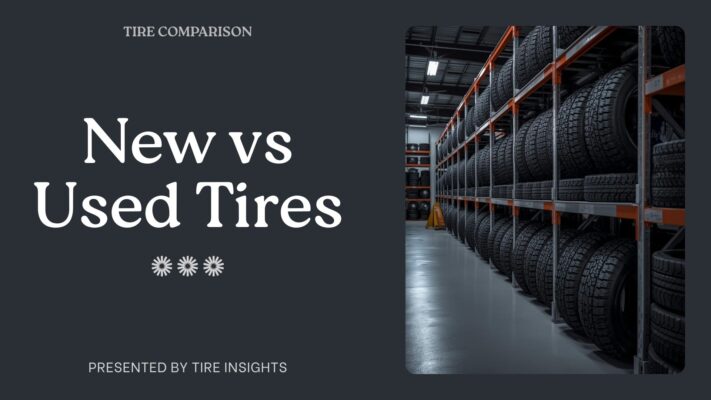
For tire dealers and distributors, one of the most important business decisions is whether to resell new brand tires or used tires. Both markets offer opportunities — but the profit structure, risk level, and scalability differ significantly.
In this 2026 guide, we break down new vs used tire resale models, compare margins, risk factors, scalability, and explain why many high-volume distributors are shifting toward container-based factory sourcing of new brand tires.
Understanding the New Tire Resale Model
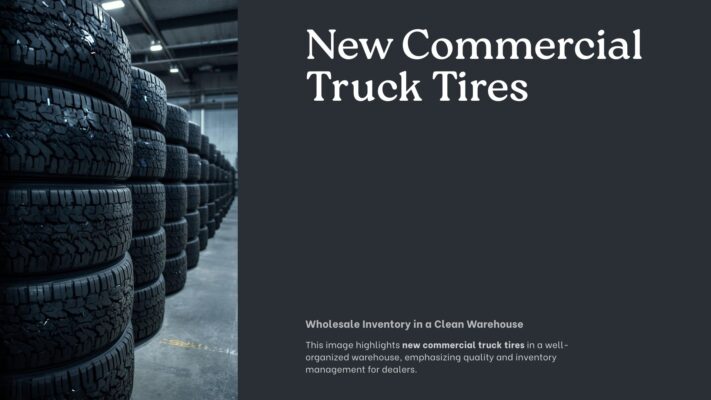
New tires are sourced either through domestic distributors or directly from factories via container shipments.
Advantages of selling new brand tires:
- Consistent product quality
- Manufacturer standards and warranties
- Higher customer trust
- Fleet contract eligibility
- Scalable wholesale opportunities
Dealers who buy container loads directly from export factories often secure lower per-unit pricing compared to local distributor purchases.
Understanding the Used Tire Resale Model
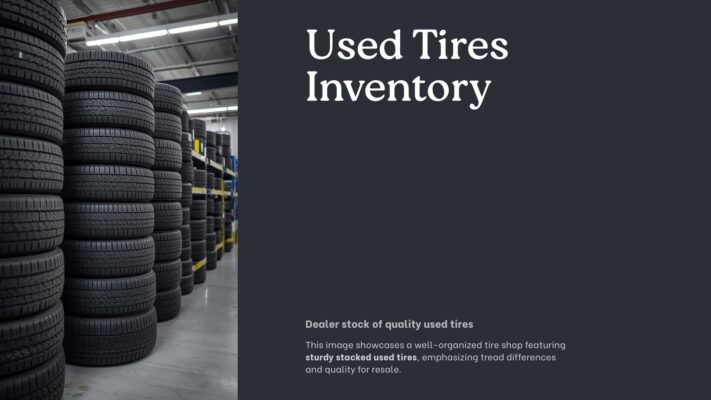
Used tire resale focuses on collecting, grading, and reselling partially worn tires.
Advantages include:
- Lower acquisition cost
- Strong demand in price-sensitive markets
- Faster local turnover
However, used tire operations often require grading systems, storage space, inspection labor, and higher liability awareness.
Profit Margin Comparison
Profitability depends on sourcing method and scale.
New Tire Wholesale Margins
- Lower risk
- Higher upfront capital (especially container orders)
- Strong long-term scalability
- Fleet account opportunities
Used Tire Margins
- Lower initial investment
- Higher variability in quality
- Limited access to commercial fleet contracts
- Operational grading labor required
High-volume distributors typically prefer new brand tires for long-term stability.
Scalability: Which Model Grows Faster?
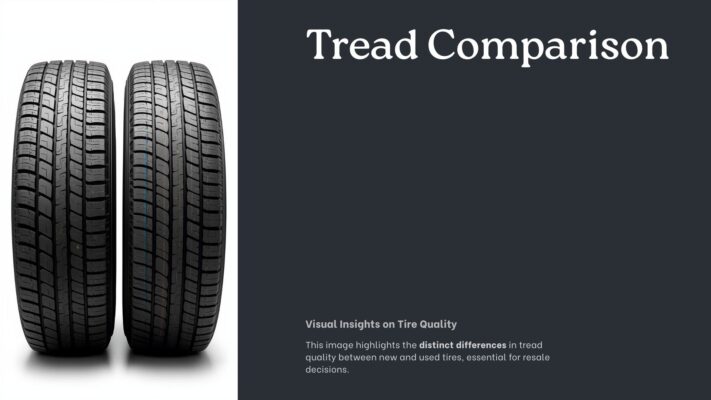
New tire container sourcing offers scalable growth. Buying 20FT or 40FT containers directly from manufacturing hubs like Thailand allows dealers to:
- Secure predictable supply
- Negotiate bulk pricing
- Expand into regional distribution
- Serve fleet contracts
Used tire businesses often remain more localized and labor-intensive.
Risk & Liability Considerations
New brand tires typically include standardized manufacturing quality and regulatory compliance.
Used tire resale may involve:
- Variable tread wear
- Inspection requirements
- Local regulations varying by region
- Higher liability exposure
For distributors targeting North America and Europe, regulatory consistency is a key advantage of new tire sourcing.
Market Demand Trends in 2026
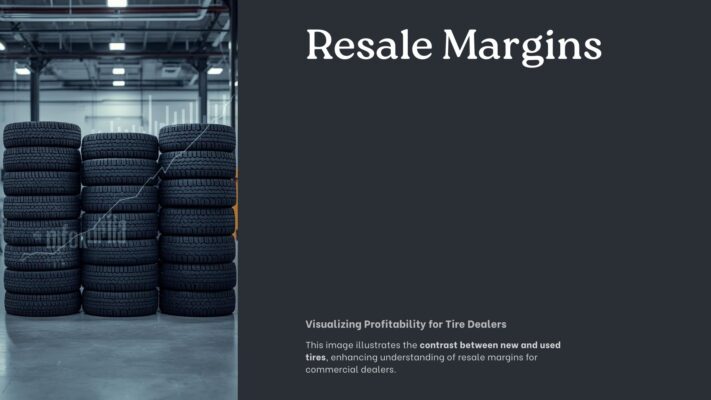
Commercial freight and logistics expansion in the USA, Canada, and Europe continues to drive demand for new commercial truck tires.
Fleet operators prioritize reliability, performance, and compliance — making new brand tires more attractive in long-term contracts.
Why Many Dealers Shift Toward Factory-Direct New Tires
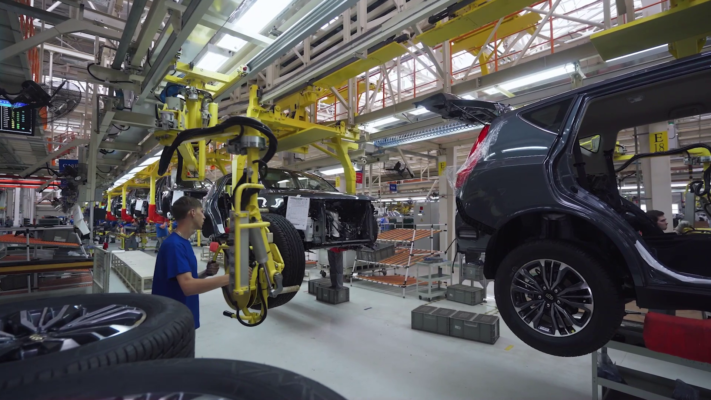
Thailand remains one of the world’s leading natural rubber producers and tire manufacturing exporters.
Factory-direct sourcing advantages include:
- Lower per-unit container pricing
- Customizable size combinations
- Stable supply chain
- Long-term distributor partnerships
For serious wholesale buyers, container-level sourcing offers greater margin control than distributor-dependent purchasing.
Which Model Is Right for You?
- Small startup with limited capital → Used tire resale may be entry-level option
- Regional distributor → New tire container sourcing provides scalability
- Fleet-focused supplier → New brand tires offer stronger contracts
- Import/export business → Factory-direct new tires offer best global model
Request Wholesale Container Pricing
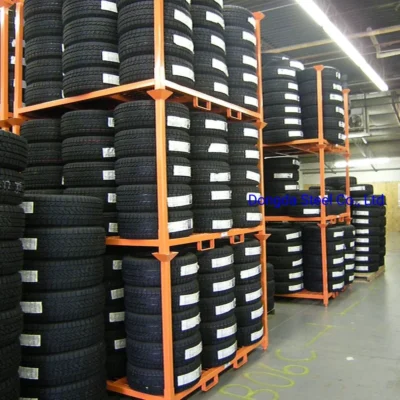
If you are evaluating new vs used tire resale models, sourcing new brand tires directly from a Thailand export factory provides scalable growth, competitive pricing, and reliable global shipping.
Contact our team today to request customized container pricing tailored to your business model and destination market.
Don’t need a full container? Start with a pallet
You don’t have to commit to a whole container to buy wholesale. TireBulk also supplies new tires from a single pallet, with no full-container minimum — so smaller dealers and shops can start small and scale up to factory-direct container pricing as volume grows. See how the options compare in Wholesale Tire Minimum Orders: Pallet vs Full Container, or open a wholesale account for a quote.