Container of Tires for Sale: How Many Tires Fit and What Wholesale Buyers Should Know (2026 Guide)
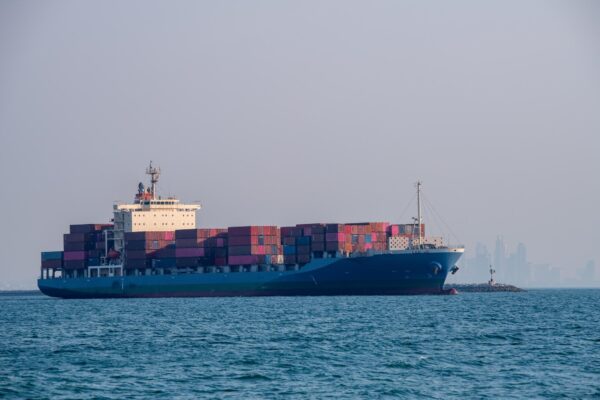
Buying a container of tires for sale is one of the most cost-effective strategies for distributors, tire dealers, and import/export businesses looking to maximize profit margins. Instead of purchasing through multiple distribution layers, container-level sourcing allows buyers to secure factory-direct pricing and full inventory control.
In this 2026 guide, we explain how many tires fit in a container, how pricing works, what factors affect loading capacity, and why international buyers — especially in the USA, Canada, and Europe — are increasingly sourcing directly from export factories in Thailand.
How Many Tires Fit in a Shipping Container?
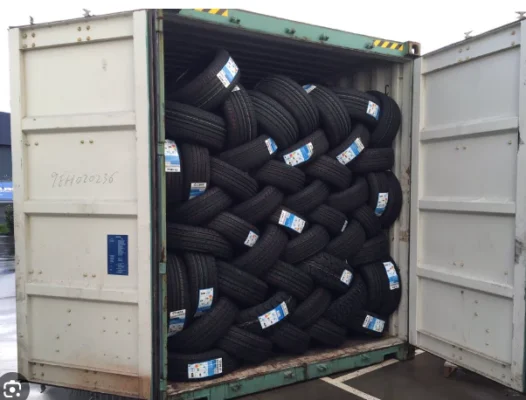
The number of tires that fit inside a container depends on several factors:
- Tire size (passenger vs commercial truck)
- Sidewall height and width
- Stacking configuration
- 20FT vs 40FT container
- Mixed-size vs single-size loads
Estimated Container Capacity
- 20FT Container (Passenger Tires): 800–1,200 tires
- 40FT Container (Passenger Tires): 1,800–2,500 tires
- Commercial Truck Tires: Quantity varies depending on tire dimensions
Mixed-size containers are common and allow distributors to balance market demand.
Passenger Tires vs Commercial Truck Tires: Capacity Differences

Passenger tires are smaller and allow higher volume per container. Commercial truck tires, due to larger dimensions and heavier construction, reduce total container quantity.
For wholesale buyers serving fleet accounts, container planning should focus on demand mix and turnover rate.
Why Buy Tires by the Container?
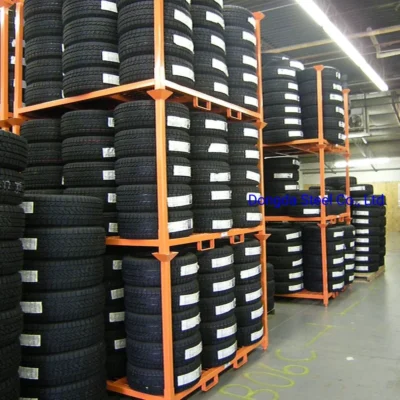
Container purchasing offers several advantages:
- Lower per-unit pricing
- Reduced markup layers
- Greater negotiation leverage
- Full inventory customization
- Improved supply chain stability
For high-volume buyers, these advantages directly translate into higher resale margins.
Factory Direct vs Distributor Container Pricing
When purchasing through domestic distributors, multiple markups may apply:
- Importer markup
- National distributor margin
- Regional storage and handling costs
Buying factory-direct from Thailand removes several of these layers, especially for full-container orders.
Shipping Containers to the USA, Canada & Europe
Containers are typically shipped via ocean freight to major international ports. For North America, common U.S. ports include Los Angeles, Houston, Miami, and New York. Canadian and European ports follow similar distribution models.
Transit times typically range from 20 to 40 days depending on routing and destination.
Why Thailand Is a Leading Tire Export Hub
Thailand is one of the world’s largest producers of natural rubber and a major exporter of commercial and passenger tires.
Key advantages include:
- Reliable raw material supply
- Modern manufacturing facilities
- Competitive production costs
- Strong export infrastructure
- Scalable factory capacity
For international buyers purchasing container volumes, Thailand offers a stable and competitive sourcing environment.
Who Should Buy a Container of Tires?
- Wholesale tire distributors
- Regional dealers
- Fleet service companies
- Import/export businesses
- Automotive supply chains
If you consistently purchase high volumes, container sourcing improves pricing control and long-term supply stability.
Request Container Pricing Today
If you are searching for a container of tires for sale with worldwide shipping, sourcing factory-direct from Thailand provides competitive pricing, scalable supply, and reliable export support.
Contact our team today to request customized container pricing based on your tire size requirements and destination port.