How Wholesale Tire Pricing Works: Factory Direct vs Distributor Margins Explained (2026 Guide)
Understanding how wholesale tire pricing works is essential for dealers, distributors, and importers looking to increase profit margins. Many buyers purchase inventory from local distributors without fully understanding how pricing structures are built — and where hidden markups occur.
In this guide, we break down factory-direct pricing vs distributor pricing, explain container-based wholesale models, and show how international buyers across the USA, Canada, and Europe are improving margins by sourcing directly from export factories in Thailand.
The Tire Supply Chain Explained
Before understanding pricing, it’s important to understand the supply chain.
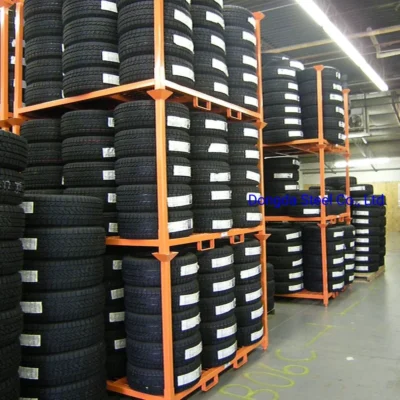
Most tires move through this structure:
- Manufacturer (Factory)
- Export Agent (Optional)
- Importer / National Distributor
- Regional Distributor
- Retail Dealer
- End Customer
Each level adds markup. By the time tires reach a local dealer, margins have been layered multiple times.
What Is Factory Direct Tire Pricing?
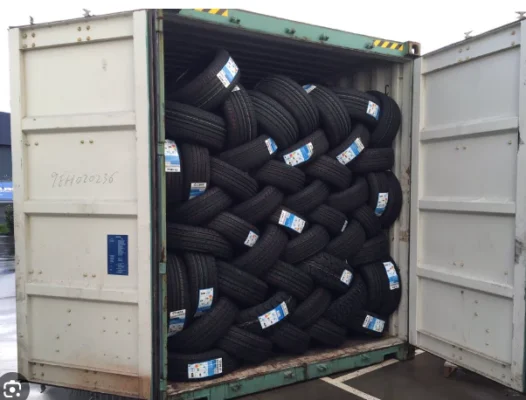
Factory-direct pricing means purchasing tires directly from the manufacturing source — typically by container load.
This model eliminates multiple distribution layers and allows buyers to secure lower per-unit pricing.
Key Characteristics of Factory Pricing
- Container minimum order quantities
- Volume-based discounts
- Direct export documentation
- Customizable tire size mix
- Lower per-tire landed cost
For high-volume buyers, this structure dramatically increases profitability.
How Local Distributors Price Tires
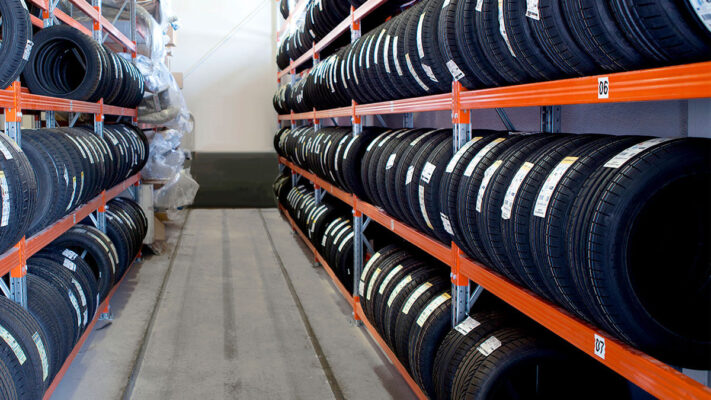
Distributors purchase in bulk from factories or importers and resell in smaller volumes. While convenient, this includes:
- Importer markup
- Storage costs
- Regional logistics markup
- Sales margin
This structure works well for small dealers but significantly reduces margin potential for high-volume buyers.
Factory vs Distributor: Margin Comparison
Here is a simplified example:
- Factory price per tire: Lower base cost
- Distributor price per tire: 10–30% markup added
- Regional reseller: Additional 5–15% markup
When buying by container directly from a factory exporter in Thailand, buyers can reduce these cumulative markups.
Why Container Purchasing Changes the Pricing Model
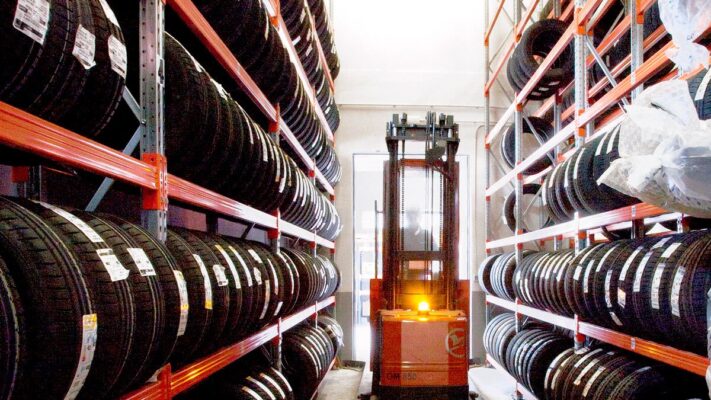
Container purchasing allows buyers to:
- Control landed cost per unit
- Optimize freight efficiency
- Customize inventory selection
- Negotiate long-term supply contracts
This is particularly important for distributors serving large markets such as the United States, Canada, and Europe.
Landed Cost: The Most Important Pricing Metric
Landed cost includes:
- Factory price
- Ocean freight
- Insurance
- Import duties
- Port handling fees
- Inland transportation
Serious tire importers calculate landed cost per tire to determine real profitability — not just factory invoice price.
Why Thailand Is Competitive in Tire Manufacturing
Thailand remains one of the world’s largest natural rubber producers. This provides:
- Stable raw material access
- Efficient manufacturing costs
- Strong export infrastructure
- Scalable production capacity
These factors make Thailand a strategic sourcing destination for international wholesale buyers.
Who Benefits Most from Factory Direct Pricing?
- High-volume tire dealers
- Regional distributors
- Fleet service companies
- Import/export businesses
- Automotive supply chains
If you consistently purchase large volumes, container-level sourcing provides a clear competitive advantage.
Common Pricing Questions
Is factory-direct always cheaper?
For high-volume container buyers, yes. For small-quantity buyers, distributor convenience may outweigh pricing benefits.
Can containers include mixed tire sizes?
Yes. Most buyers customize container loads to match regional demand.
Do you ship worldwide?
Yes. Container shipments are available worldwide, with strong focus on North America and Europe.
Request Wholesale Factory Pricing
If you are looking to reduce markup layers and secure competitive wholesale pricing, sourcing factory-direct brand tires by container is one of the most effective strategies in 2026.
Contact our export team today to request container pricing tailored to your market and destination port.